







Search Results for: minimalist style
Coca-Cola 2021 New Packaging Analysis: Minimalist Visual Upgrade and Eco-Friendly Paper Bottle Exploration
In 2021, Coca-Cola carried out a new round of visual packaging upgrades for its product line, with Coca-Cola, Diet Coke, and Coke Zero all receiving more minimalist new looks. This redesign continues the "One Brand" strategy introduced in 2015. The most noticeable change is that the logo has been moved upward, and the classic ribbon element has been removed, giving the overall style a clean and crisp feel. In terms of color schemes, the classic version retains the red-and-white combination, the Diet version adopts red and silver, and the Zero version forms a high-contrast look with a black logo against a red background. At the same time, at the end of last year Coca-Cola also launched an eco-friendly paper bottle prototype called "Adez," jointly developed by its Brussels lab and the Danish company Paboco. It uses a paper shell with a plastic liner and a recyclable plastic cap, further conveying the concept of sustainable development. This article will compare the old and new packaging changes in detail and review these two noteworthy developments. [more…]
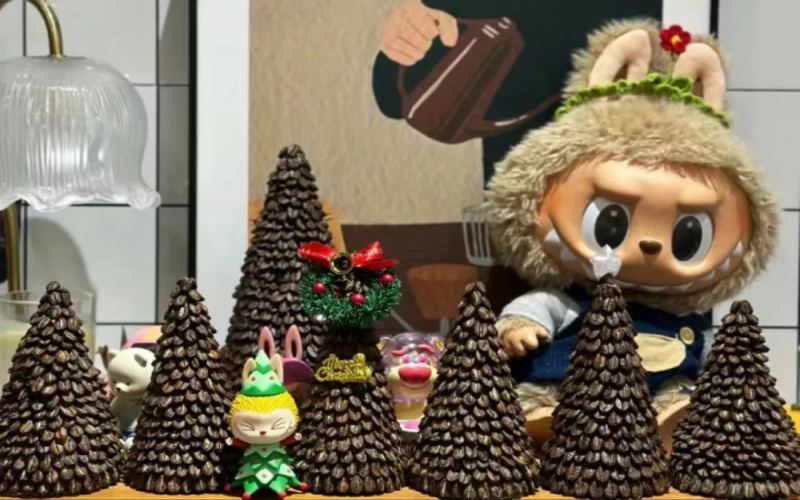
The Coffee Bean Christmas Tree DIY Trend Is Here: From Minimalist to Giant, a Step-by-Step Guide to Creating Festive Vibes
As soon as December arrives, Christmas is just around the corner, and a special "handicraft project" has suddenly become popular in the coffee community—making Christmas trees out of coffee beans. This trend has swept in with great force, drawing everyone from ordinary enthusiasts to coffee shop owners. Why has everyone become obsessed with coffee bean Christmas trees? They can not only use up expired beans and create a festive atmosphere, but also absorb odors—truly killing three birds with one stone. From minimalist versions to maximalist ones, from green beans to light and dark roast blends, and even giant versions, the possibilities are endless. However, it looks easy but is hard to do, and those with clumsy hands are crying out, "Does this tree really have to be made?" This article will take you through this coffee bean Christmas tree frenzy and show how coffee lovers are using beans to play with Christmas creativity. [more…]
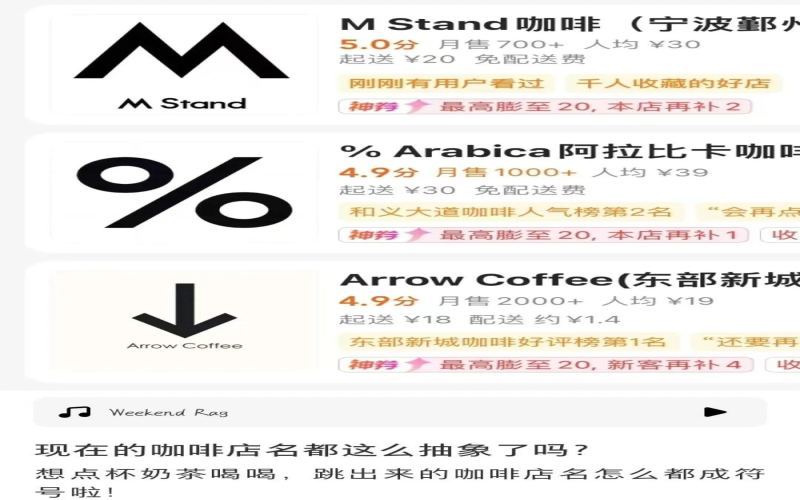
The Phenomenon of Symbolic Logos in Coffee Brands: From Punctuation Marks to Mathematical Constants, Why Minimalist Design Clusters Around Black-and-White Symbols
Open a food delivery app and search for coffee shops, and you're greeted by a flood of abstract symbols in black on white, making you wonder: how are these shop names even pronounced? Some netizens have discovered that by simply taking punctuation marks and mathematical symbols from a keyboard, bolding them, and putting them on a white background, you can mass-produce brand logos. The comments section is full of people sharing images confirming this, with commas, question marks, double quotation marks, multiplication signs, the mathematical constant π, the infinity symbol ∞, and even the # and * on a phone's dial pad all becoming visual identifiers for coffee brands. This trend of minimalist black-and-white symbols, represented by %Arabica and Mstand, is it a form of individual expression or a case of blindly imitating what others do? When consumers can't even name the symbols, how are brands supposed to be remembered? [more…]
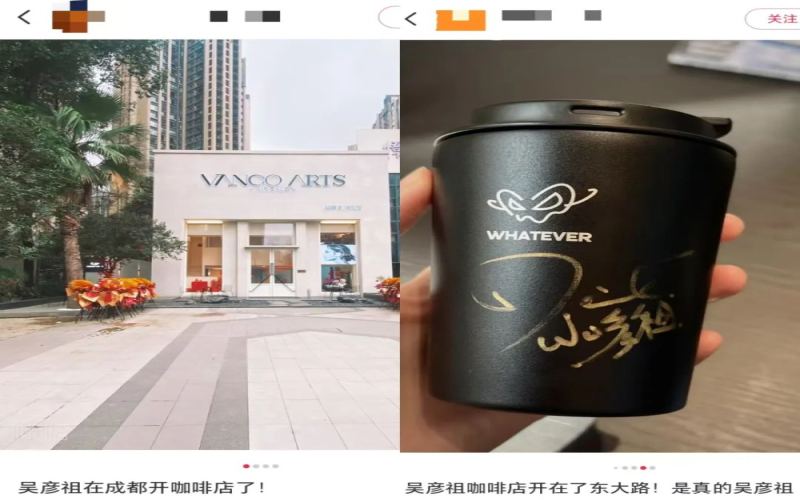
Daniel Wu Opens WHATEVER COFFEE in Chengdu: Minimalist Philosophy and Market Scrutiny Under Star Power
Recently, the coffee brand WHATEVER COFFEE, founded by actor Daniel Wu, opened its first physical store on Dongda Road in Chengdu, sparking a wave of social media check-ins. This shop-in-shop, sharing space with a barbershop, features a minimalist black, white, and gray aesthetic. Its menu focuses on classic coffees and simple flavored drinks, priced between 20 and 34 yuan. The brand logo, a mask hand-drawn by Daniel Wu, symbolizes shedding pretense and returning to authenticity. In fact, the brand entered the coffee market as early as last June. Now, with the Chengdu store serving as a test outlet, a second independent location is already being scouted. Celebrities opening coffee shops is nothing new—from JJ Lin to Jay Chou—but behind the built-in traffic, whether the products and services themselves can withstand market scrutiny remains a topic worth watching. [more…]
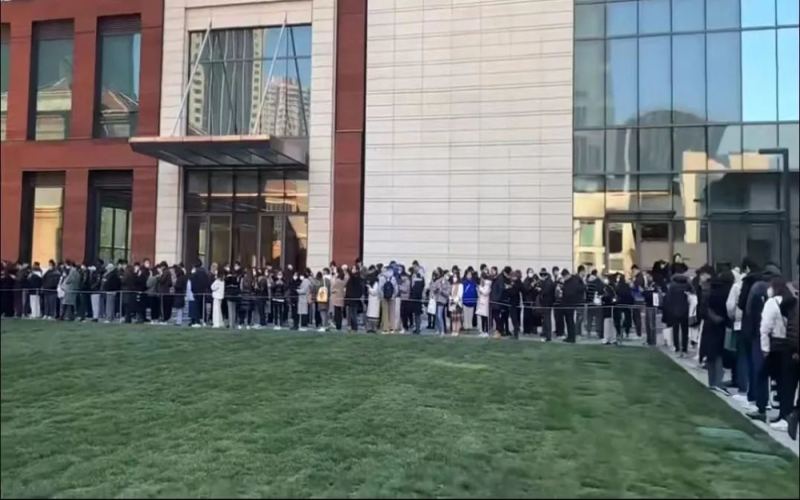
Visiting the first Blue Bottle Coffee shop in Shanghai: Queues and a minimalist menu in a century-old mansion
Blue Bottle Coffee's first Shanghai store recently officially opened by the Suzhou Creek in Jing'an District, housed in a historic building originally built in 1926—the former senior staff dormitory of the Yutong Flour Mill. On opening day, long lines formed outside the store, with some customers waiting up to 7 hours to get in. This chain brand, known for pour-over coffee and its preference for renovating old buildings, offers a relatively concise menu featuring rare items such as Gibraltar, filtered café au lait, and New Orleans-style iced coffee. The first floor of the store has a modern style, while the second floor has a vintage style, and displays a 60-year-old FAEMA espresso machine. This article takes you on a virtual visit to this highly anticipated new coffee shop. [more…]
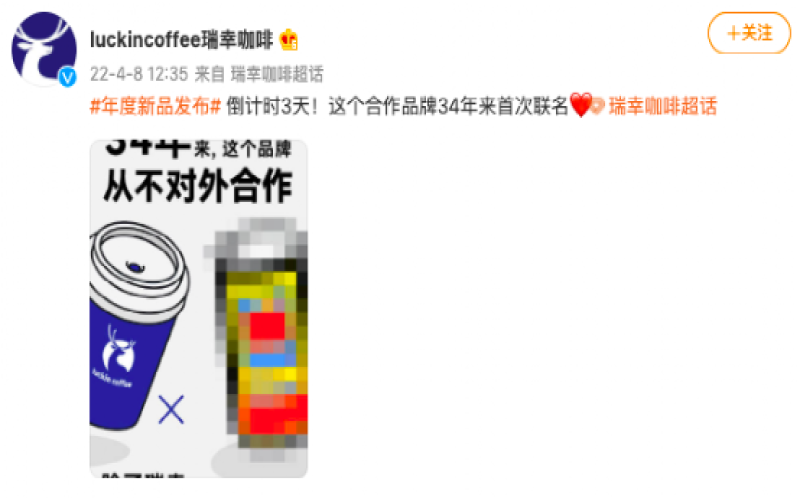
Luckin Coffee's collaboration with Coconut Palm goes for a rustic vibe, while Heytea teams up with Hiroshi Fujiwara for a trendy take—which of the two brands better understands young people?
Luckin Coffee's collaboration with Coconut Palm coconut juice successfully broke through with its rustic packaging, while Heytea chose to collaborate with Japanese streetwear godfather Hiroshi Fujiwara for a minimalist, dark aesthetic. Both are cross-industry collaborations—one takes a down-to-earth, rustic route, the other focuses on street fashion—reflecting the two brands' different strategies for competing over young consumers. This article analyzes the packaging design, marketing tactics, and visual color schemes behind these two collaborations, and explores whether Luckin's competitor has shifted from Starbucks to the milk tea circle. For coffee lovers, whether it's rustic or trendy, tasting good is what matters most—Front Street Coffee always selects quality coffee beans for you. [more…]
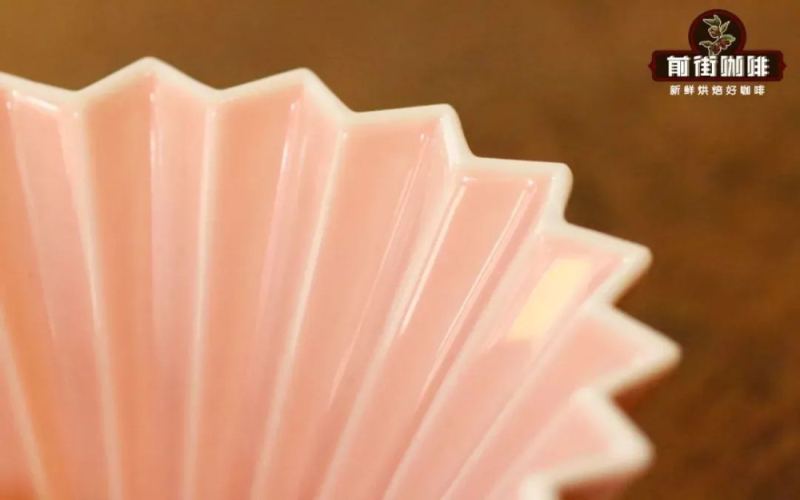
Origami Dripper Bean Suitability Analysis: Design Highlights, Brewing Recipes, and Practical Pros and Cons
The Origami dripper, with its angular shape and Nordic minimalist style, has become a familiar sight in cafés and equipment stores. Designed by Yasuo Suzuki, it can be used with either conical filters or cake filters, offering two completely different brewing experiences. Its fame grew even further when Du Jianing, the 2019 WBrC champion, used it. However, this dripper also has shortcomings, such as the lack of a base and limited coffee capacity. Front Street Coffee once conducted a comparative brew using blueberry beans from Costa Rica's Giant Stone Estate. This article will comprehensively analyze what coffee beans this dripper is suitable for, covering its appearance, star appeal, versatile brewing methods, and drawbacks. [more…]
International Coffee Brand Recommendations | What Are the World's Well-Known Coffee Brands? What Are the Characteristics of Starbucks, COSTA, and %Arabica?
Front Street Coffee Introduction: Front Street Coffee (Frontsteet Coffee), founded in 2013, is a well-known local coffee brand in Guangzhou, specializing in house-roasted coffee beans and offering over 50 varieties of fresh coffee, available for online purchase through its Tmall flagship store and Taobao shop. Over the years, Front Street [more…]
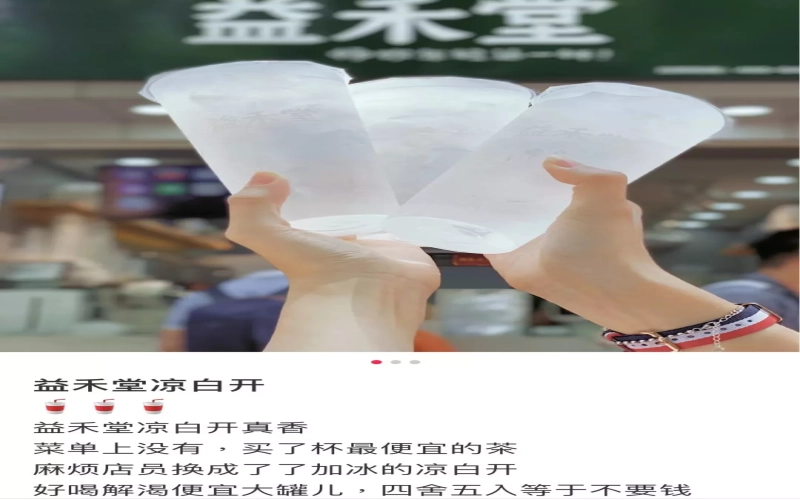
Why has ice water become the new social media favorite? Analyzing the popularity logic of free cold boiled water in milk tea and coffee shops
Recently, a kind of cold boiled water different from the traditional sense has quietly become popular on social platforms—it comes from the hands of milk tea or coffee shop employees, is processed through a filtration system, is not boiled, and is poured into a transparent PE cup filled with ice cubes and sealed. Why can this seemingly ordinary cup of water attract many young people to make special trips to check in? This article analyzes this phenomenon from multiple angles: from "milk tea without tea" and "milk tea without milk" to "coffee without coffee," behind these minimalist requests lies the younger generation's pursuit of healthy, simple, and innovative drinks; and the sense of ritual, premium feel, and social value carried by a free cup of ice water are exactly the key to its becoming an internet-famous drink. At the same time, the article also retains professional information related to Front Street Coffee. [more…]
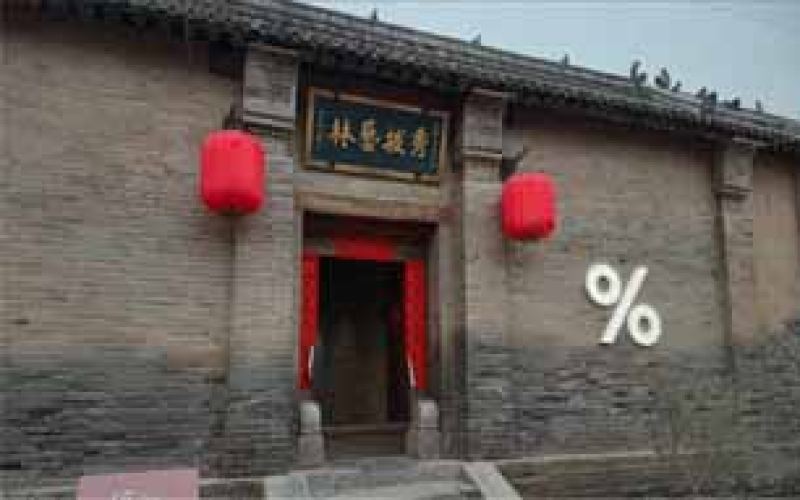
%Arabica's first Henan store opens in a Qing Dynasty ancient residence in Weipo Village, Luoyang; Spring Festival sales surge sparks controversy over quality and experience
As the Spring Festival approaches, the chain coffee brand %Arabica announced the opening of its first store in Henan, but unexpectedly, this new store did not land in a shopping mall in the provincial capital Zhengzhou, but instead established itself in a Qing Dynasty ancient residential courtyard near Weipo Village near Luoyang. The strong contrast between the ancient architecture and the modern minimalist decor quickly attracted a large number of coffee enthusiasts to drive over and visit, with foot traffic packed to capacity during the Spring Festival. However, the ensuing issues of excessively long wait times, chaotic order inside the store, and lattes not being made with latte art also sparked controversy. Some netizens pointed out that the store is actually a pop-up shop and is expected to close in May this year, suggesting that people visit during off-peak times. [more…]
A Global Roundup of Famous Coffee Brands | An Analysis of the Characteristics and Historical Background of Blue Bottle, Starbucks Reserve, Peet's, and Other Brands
From San Francisco in the United States to Kyoto in Japan, from London to Guangzhou, every well-known coffee brand has a unique development story and flavor philosophy behind it. This article systematically reviews internationally representative brands such as Blue Bottle Coffee, Starbucks Reserve, % Arabica, Peet's Coffee, and Costa Coffee, interpreting their respective founding backgrounds, core positioning, and product features. It also introduces the business philosophy and bean-selection advantages of the Guangzhou-based local brand Front Street Coffee, helping coffee lovers find the cup that suits their taste while learning about brand culture. [more…]
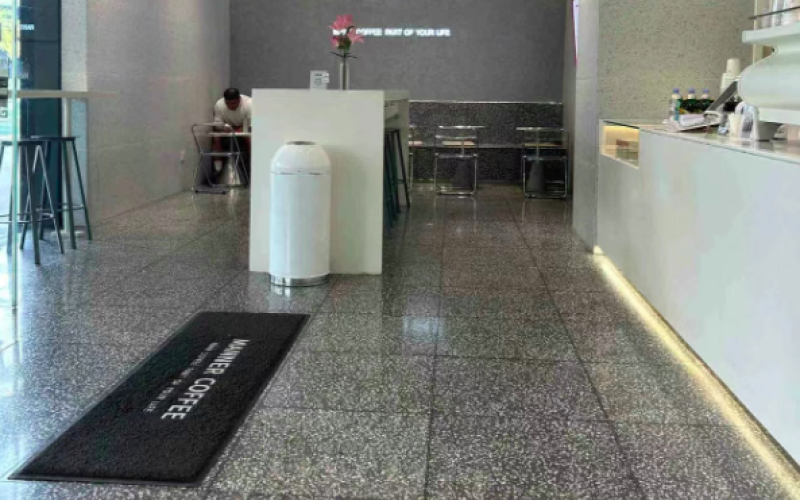
Manner store hygiene sparks discussion: White tables and chairs show obvious signs of wear, sole-staffing model questioned by consumers
Manner Coffee, known for its minimalist white design, has recently sparked consumer discussion due to store hygiene conditions. Some customers have reported that tables and chairs in certain stores show obvious signs of wear, with leftover trash from previous customers on tabletops, while the single-staff model leaves employees no time to attend to front-of-house cleaning. Is this phenomenon an isolated issue or a widespread problem? Does the white decor style amplify the visual impact of stains? How should consumers balance the pursuit of efficient service with a pleasant dining environment? This article reviews perspectives from multiple parties to explore the operational challenges chain coffee brands face amid rapid expansion. [more…]
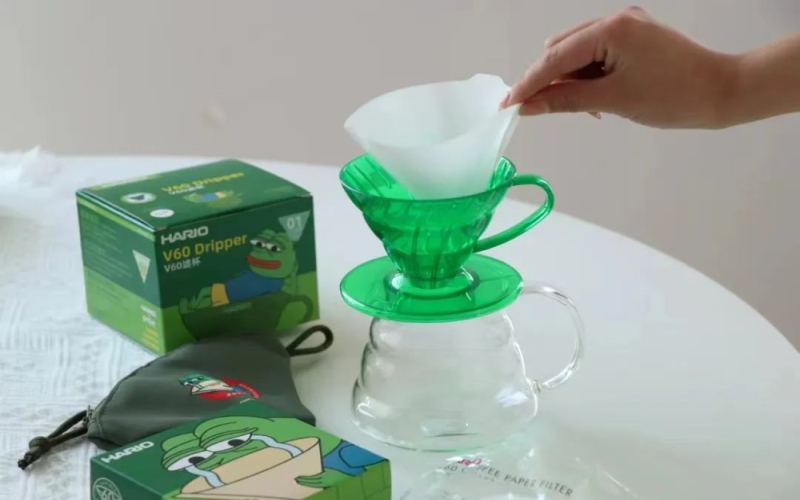
Hario teams up with Pepe the Frog for a collaboration: the V60 resin dripper gets a striking green makeover, and the camping-themed packaging sparks heated discussion
Hario has departed from its minimalist Japanese style and teamed up with the cartoon IP Sad Frog PEPE to launch a camping-themed product series. The collaboration includes two sets, among which the Outdoor Enjoyment Set features a PEPE limited-edition color No. 01 resin dripper and a limited-edition outdoor filter paper pack. The dripper adds green elements to a transparent resin base, making it especially eye-catching under light and drawing attention from pour-over enthusiasts. The official presale campaign uses "Filter Out Sadness" as its topic, and the packaging is presented in comic form. Users have already posted their purchases, with mixed reviews—some say it looks great, while others question its lack of practicality. This collaboration once again confirms that the coffee sector is becoming a popular choice for brand crossovers. [more…]
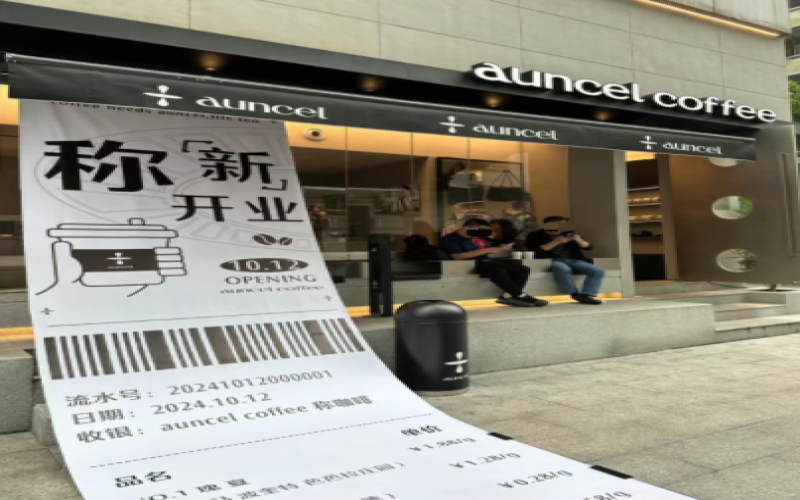
Chengdu coffee shop sells beans by the gram, conveyor-belt assembly-line brewing method draws attention
When ordering at a coffee shop, you usually buy by the cup, but a store in Chengdu has turned tradition on its head — Auncel Coffee, which sells coffee beans by the gram. Customers pick their own beans, have them weighed, and then a conveyor-belt assembly line handles grinding and brewing. This small shop near Tianfu Square in Jinjiang District, with its minimalist black-and-white style and an L-shaped laboratory-like long bar, has drawn plenty of coffee lovers looking to check in. Bean prices range from 0.28 yuan to 1.88 yuan per gram, and a cup of coffee ends up costing anywhere from a few yuan to thirty or forty yuan. Whether this model can gain a foothold in the fiercely competitive coffee market is worth watching. [more…]
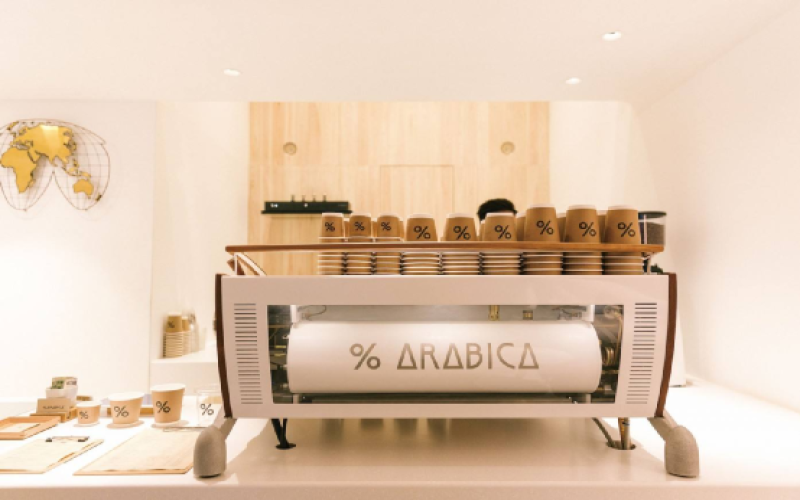
%Arabica's China operator Fumeng International plans to raise $300 million at a target valuation of $1.2 billion, bringing new challenges for specialty coffee expansion.
China's coffee chain market is expected to surpass 36,000 stores by 2025. Despite the pandemic repeatedly disrupting the food and beverage industry, the Chinese market is still regarded as a key growth engine for coffee brands both at home and abroad. Against the backdrop of a sharp pullback in financing enthusiasm, Fumeng International, the Chinese operator of the influencer specialty coffee brand %Arabica, is seeking about $300 million in new funding at a target valuation of $1.2 billion. The brand started with a minimalist visual style, gained popularity from Hong Kong to Arashiyama in Kyoto, and expanded rapidly after entering Shanghai in 2018. It now has 61 stores in mainland China, Hong Kong and Macau. However, as its locations become more mainstream and its influencer halo fades, %Arabica's balance between scale and specialty positioning has become a focus of attention. [more…]
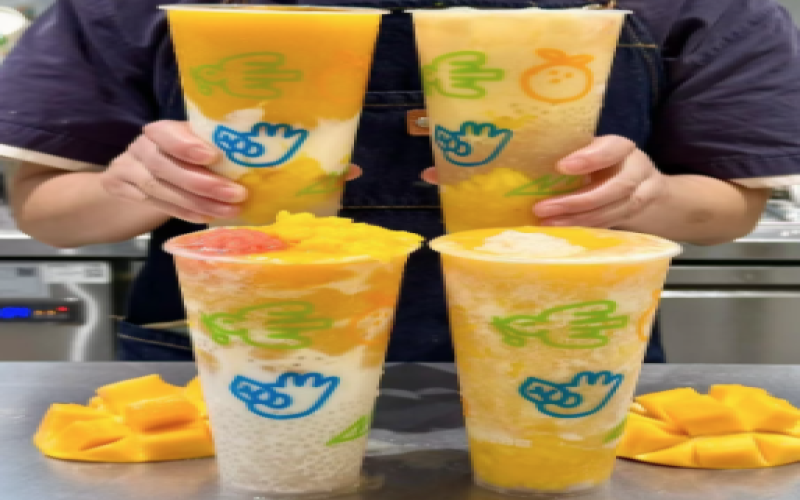
Seven-Point-Sweet Mango Pomelo Sago Specialty Store Debuts in Shanghai: Can Three Items Alone Continue the Hit-Making Legend?
Mango Pomelo Sago evolved from a Cantonese sweet soup into a cup drink, and with this single item, 7FenTian opened more than 1,500 stores nationwide. On September 30, the brand launched its first Mango Pomelo Sago specialty store in Longemont, Changning, Shanghai, selling only three products priced at 15-20 yuan. In the first week after opening, sales exceeded 10,000 cups and daily revenue surpassed 25,000 yuan. The store features a minimalist wood-toned style and emphasizes fresh handcrafting. However, consumer reviews were mixed: some praised it as the best Mango Pomelo Sago, while others criticized it for too much sago, a strong jam flavor, and insufficient complexity. Whether the specialty store model can sustain the hit product's vitality is worth watching. [more…]
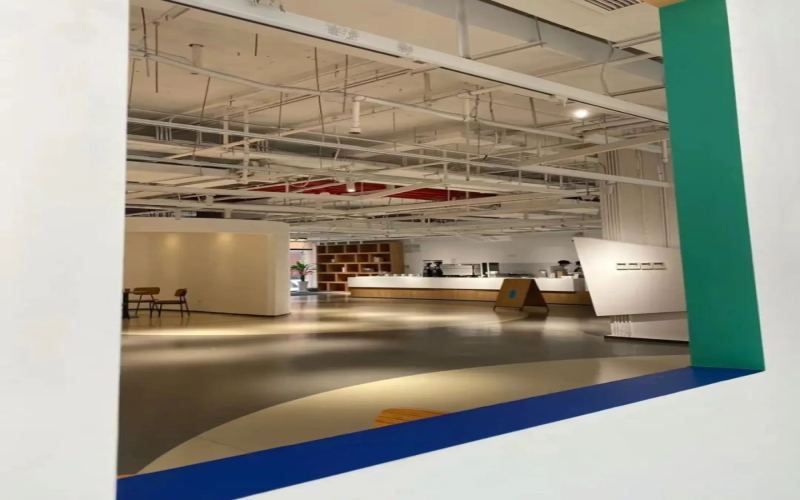
A Complete Inventory of Blue Bottle Coffee Stores in China: Why Is It Still Rooted in Jing'an, Shanghai? An Analysis of Future Expansion Directions
Since Blue Bottle Coffee opened its first mainland China store in early 2022 at the former site of the Shanghai Yutong Flour Mill, it has successively set up three locations in Jing'an Kerry Centre and Zhangyuan. Curiously, this brand, known for its minimalist boutique approach, has not stepped outside Jing'an District for over a year, and has even been jokingly said to have "not even left Shanghai." This article reviews the current store distribution of Blue Bottle Coffee, analyzes the customer base logic and brand tone behind its site selection strategy, and also brings rumors about the possible location of a fourth store in Qingpu's Panlong Tiandi or Pudong's Qiantan. In addition, we continue to recommend boutique bean news from Front Street Coffee, providing coffee enthusiasts with a more comprehensive industry perspective. [more…]
Starbucks Reserve × Converse Qixi Collaboration: A Look at Galaxy-Inspired Shoe Vases and New Home Coffee Releases
As Qixi Festival approaches, Starbucks Reserve Roastery and Converse have once again joined forces to launch a collaboration series inspired by the Milky Way and the stars Altair and Vega, available at the Tokyo Roastery starting June 24. The most eye-catching item this season is a vase shaped like Converse's classic shoe, in a refreshing ice-blue colorway, alongside six other celestial-themed items including mugs, folding fans, and bags. Looking back at last year's Qixi Festival, the two brands created shoe-shaped vases and home goods themed around fireworks and misty blue. In addition, Starbucks' multiple collaborations with Hiroshi Fujiwara have focused on a minimalist home coffee experience for the post-pandemic era, launching textured items such as French presses and blankets. This article walks you through these collaboration highlights, with Front Street Coffee's communication channels listed at the end. [more…]
Why does the Origami dripper keep trending? A full breakdown of its design highlights, competition heritage, and two filter paper methods
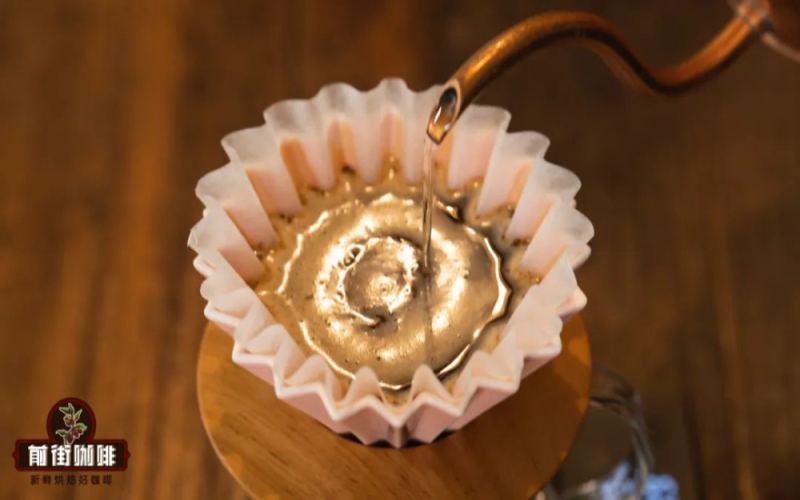
The Origami dripper has remained a hot topic in the coffee world in recent years. Many people were initially drawn to it by its appearance, but after actually using it, they discovered that it is no mere "vase." This dripper's crease design combines flow guidance with aesthetics, and its 20 evenly spaced creases give it a distinct Nordic minimalist style. Another key reason for its ongoing popularity is its multiple appearances at the World Coffee Brewing Championship—Du Jianing in 2019 and Carlos in 2023 both won the title using it. Even more practical is that the Origami supports both conical and cake filters, allowing users to switch between fast-paced and slow-paced brewing to highlight aroma layering or a rich, full-bodied taste, respectively. Based on Front Street Coffee's actual test data, this article compares the flavor differences under the two types of filters and analyzes the real reason for its enduring popularity. [more…]
Manner and M stand are frequently confused, with delivery mix-ups and membership code scanning errors, and similar store designs triggering a chain coffee mix-up.
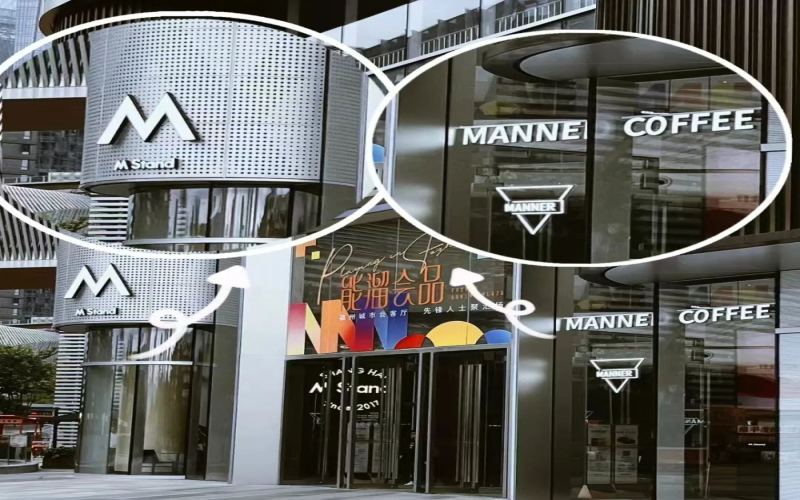
In an era when chain coffee brands are densely expanding, Manner and M stand are often hard for consumers and delivery riders to tell apart, since both adopt a minimalist black-and-white style and a prominent letter M logo. Recently, a customer ordered Manner takeout on Meituan but received a product from M stand, sparking a refund dispute. Such incidents are not isolated: some people have scanned their M stand membership code at the Manner counter, some only discovered after ordering that another brand's item was sitting in the pickup locker, and some customers even went to the wrong store to ask about specialty drinks. The two brands are not only similar in visual identity, but also often located next to each other, further increasing the chance of confusion. This article sorts out the reasons behind these mix-ups and looks at how baristas and consumers are responding. [more…]